Landlord Insurance vs Homeowners Insurance : Critical Differences
Running a rental property comes with returns and dangers in equivalent measure. An individual fire, storm, or responsibility claim may wipe out weeks of revenue, which is why landlord insurance policy is now an important safeguard for anyone letting out a home. The figures tell a definite story: the U.S. rental market contains about 49 million rental devices, and property injury statements stay one of the very most common causes landlords record with insurers. Knowledge how this protection performs can defend both your asset and your income.
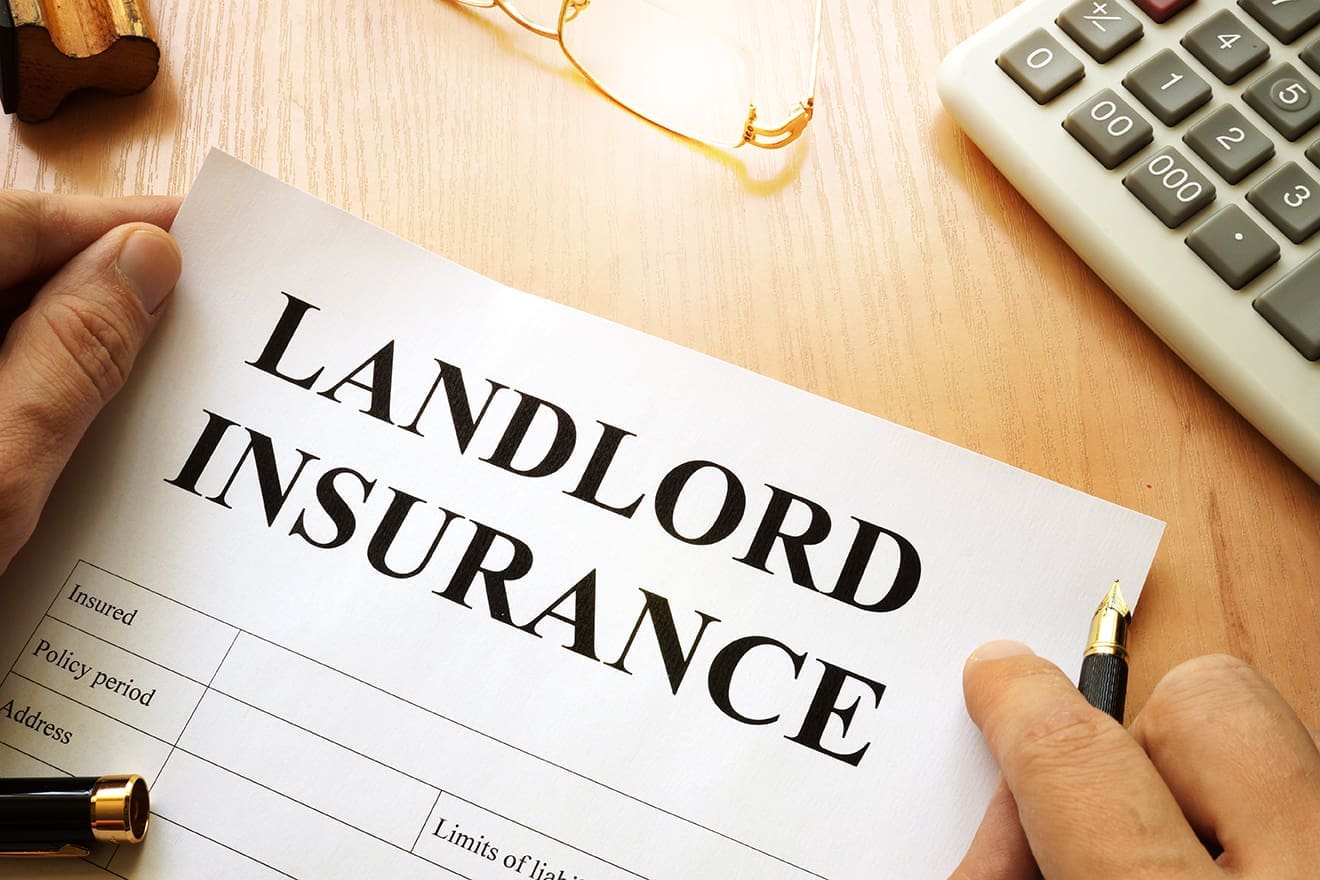
How is landlord insurance distinctive from homeowner's insurance ? Homeowner's insurance is built for owner-occupied homes. The minute tenants move in, that plan may no longer apply, because insurers handle a rented house as a business asset rather than particular residence. Filing a tenant-related state below a standard homeowner's plan can cause denial. Landlord insurance floods that hole, giving defense designed to the facts of renting. What does landlord insurance generally cover? Many procedures contain a few primary protections. Home protection repairs the bodily design after covered events like fire or breeze damage. Premises liability grips appropriate and medical expenses in case a tenant or guest is hurt on the property. Several guidelines also cover tenant-caused injury that moves beyond typical use and tear. Perhaps most useful for investors, book reduction safety replaces missing rental revenue each time a covered event makes the system uninhabitable, supporting you stay recent on mortgage payments. What fees added with landlord insurance ? Common guidelines frequently banish specific high-risk events. Flood and earthquake safety generally need split add-ons, particularly in susceptible parts where approximately 90% of natural disasters require some form of flooding. Eviction insurance is yet another optional extra, protecting appropriate charges and missing rent associated with eliminating a tenant. Researching these exclusions before you decide stops expensive shocks later. How can landlords decrease their premiums? One of the simplest methods to lessen costs is requesting tenants to hold renter's insurance. Doing so changes responsibility for tenant belongings onto the renter and may lower your own premium. Bundling policies, raising your deductible, and installing safety characteristics such as smoke detectors and security systems also can provide down annual rates. Comparing quotes from multiple companies assists guarantee you're spending a fair price.

Is landlord insurance price the price? For most rental property homeowners, the answer is yes. The cost of insurance is moderate set alongside the possible expense of rebuilding a damaged framework or defending a responsibility lawsuit. Expense qualities take unique risks, and a well-chosen plan converts unknown disasters in to feasible setbacks. Treating insurance as a set charge of conducting business shields equally your satisfaction and your long-term returns. Final applying for grants protecting your rental Landlord insurance isn't just paperwork—it's the foundation of a sturdy rental business. Make time to examine what your property is most subjected to, whether that's flooding, fire, or liability statements, and construct coverage about those needs. Talking to a educated representative may assist you to fit a plan to your particular situation. The right safety today indicates a steadier, safer rental revenue tomorrow.